
While towels pile up on Mallorca and Ibiza, Europe has beaches that feel like another world – in caves, between cliffs or even in the middle of a meadow.
We show you ten hidden gems from Portugal to Norway, with honest information on how to get there, current rules and the best time to go. Many of these places are so special that access is now regulated.
Good to know: some beaches can only be reached by boat or on foot – but in return you will have more space there, even in high season, than on any hotel beach.
1. Benagil Cave (Algarve, Portugal)
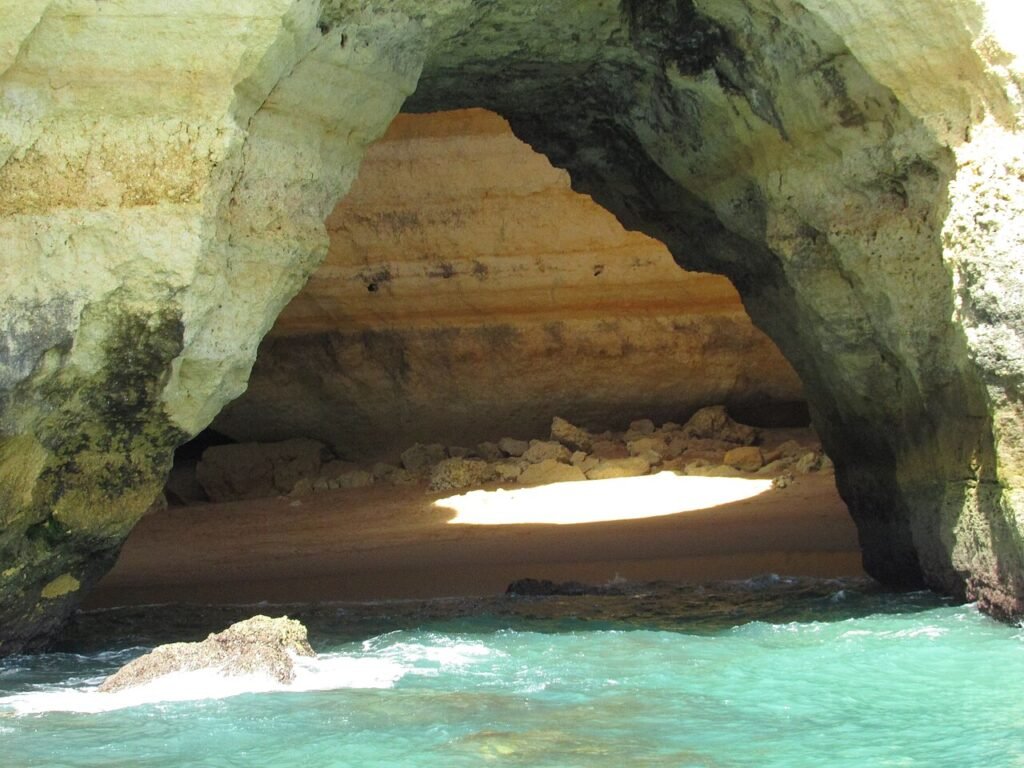
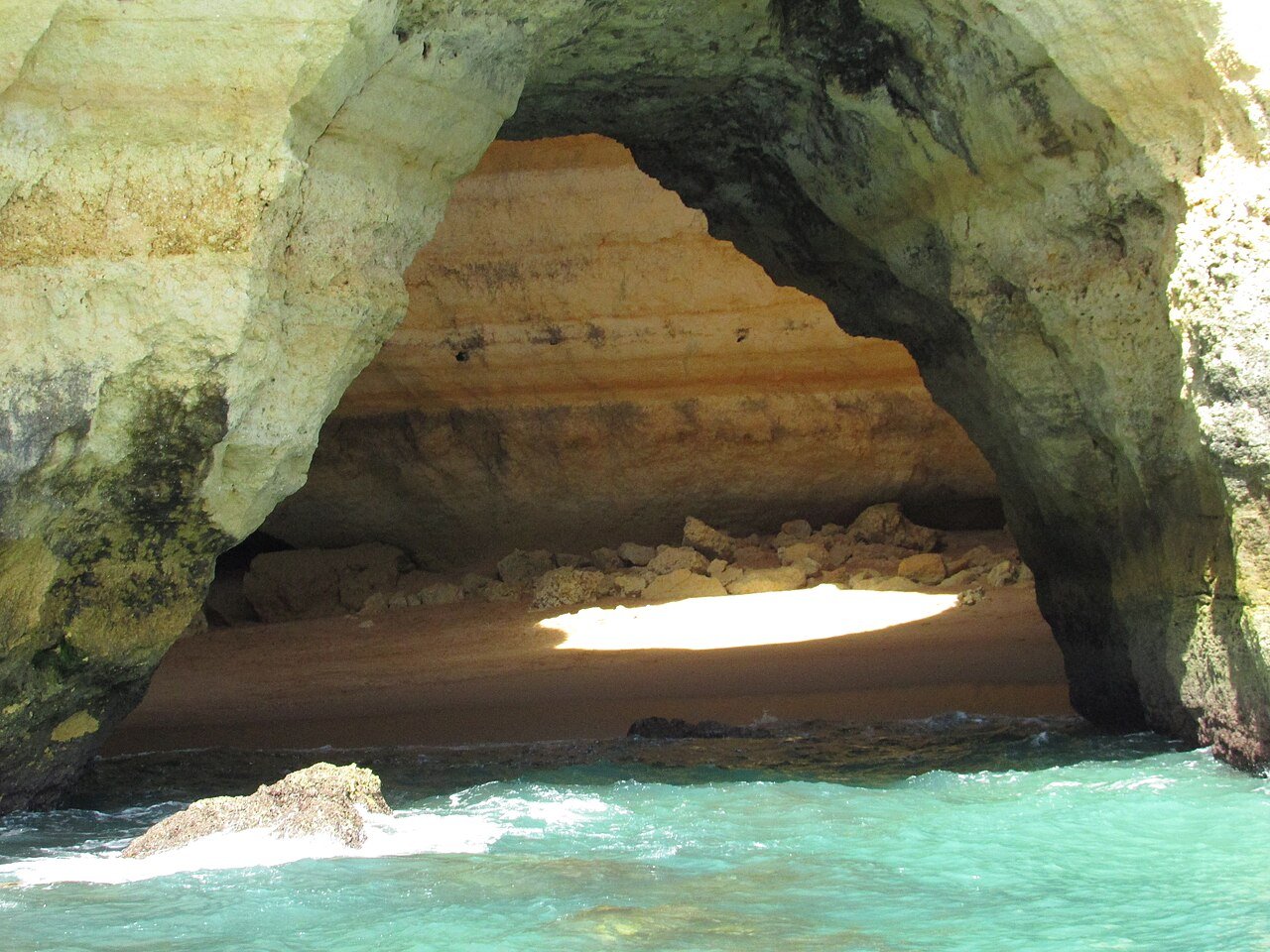
A rock cathedral with a round hole in its roof, through which the sun falls onto a tiny sandy beach: Benagil Cave is the Algarve’s most famous photo spot. Strict rules have applied since summer 2024 – landing and swimming in the cave are banned, and kayaks and SUPs may only enter with a certified guide.
The best way to see it is on a boat tour from Portimão, Armação de Pêra or Benagil. Afterwards, walk the “Seven Hanging Valleys” cliff trail to Praia da Marinha – one of Portugal’s most beautiful beaches.
2. Navagio – Shipwreck Beach (Zakynthos, Greece)
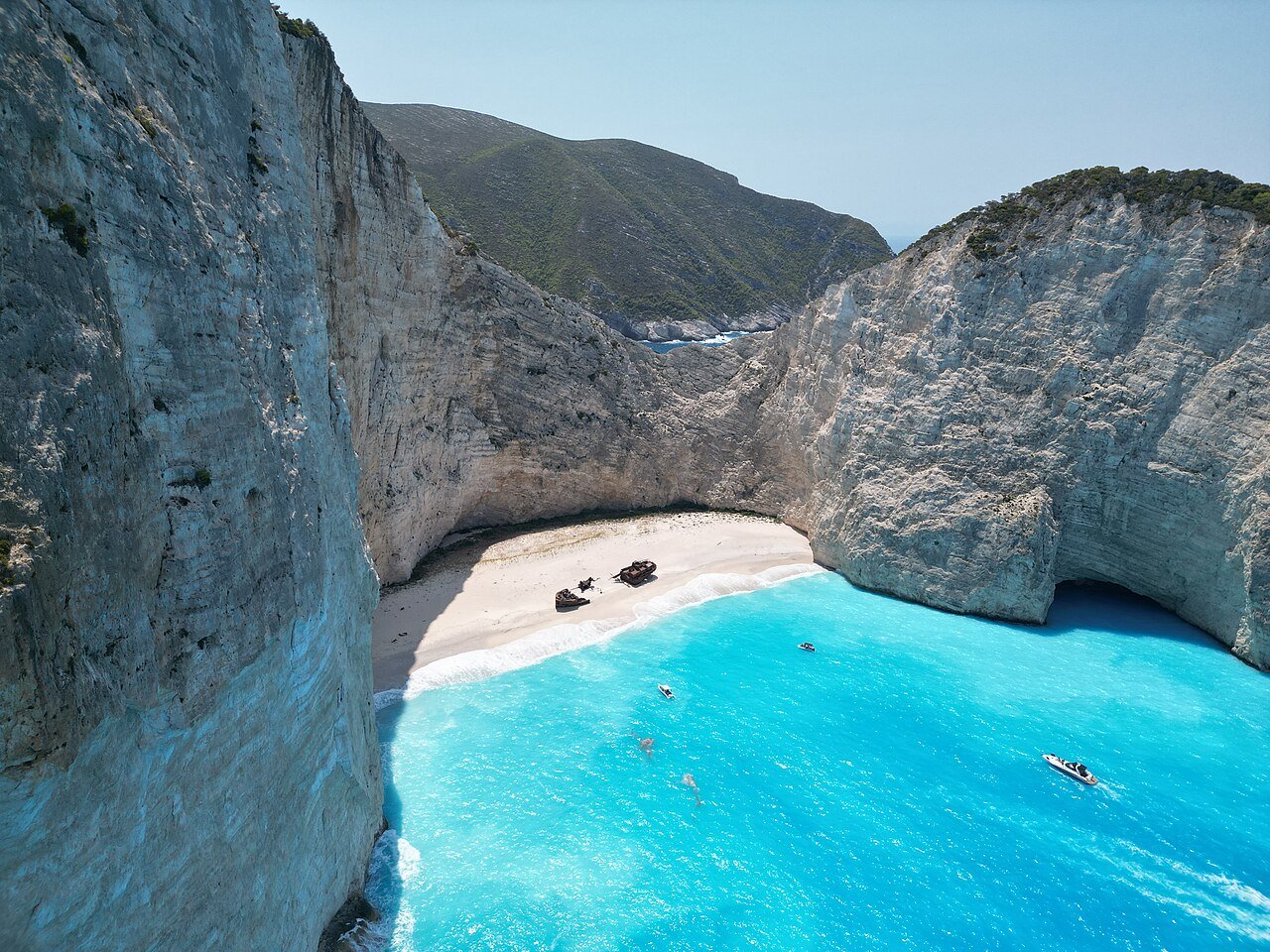
White cliffs, turquoise water and a rusty wreck in the sand: Navagio is one of the most photographed places in Greece. After rockfalls, landing on the beach has been banned for years – you see the cove from a boat or, depending on safety conditions, from the viewpoint high up on the cliffs.
Tip: combine Navagio with the Blue Caves in the north of the island. The light is best in the morning, and there are fewer boats around.
→ See Shipwreck Beach boat tour
3. Gulpiyuri Beach (Asturias, Spain)
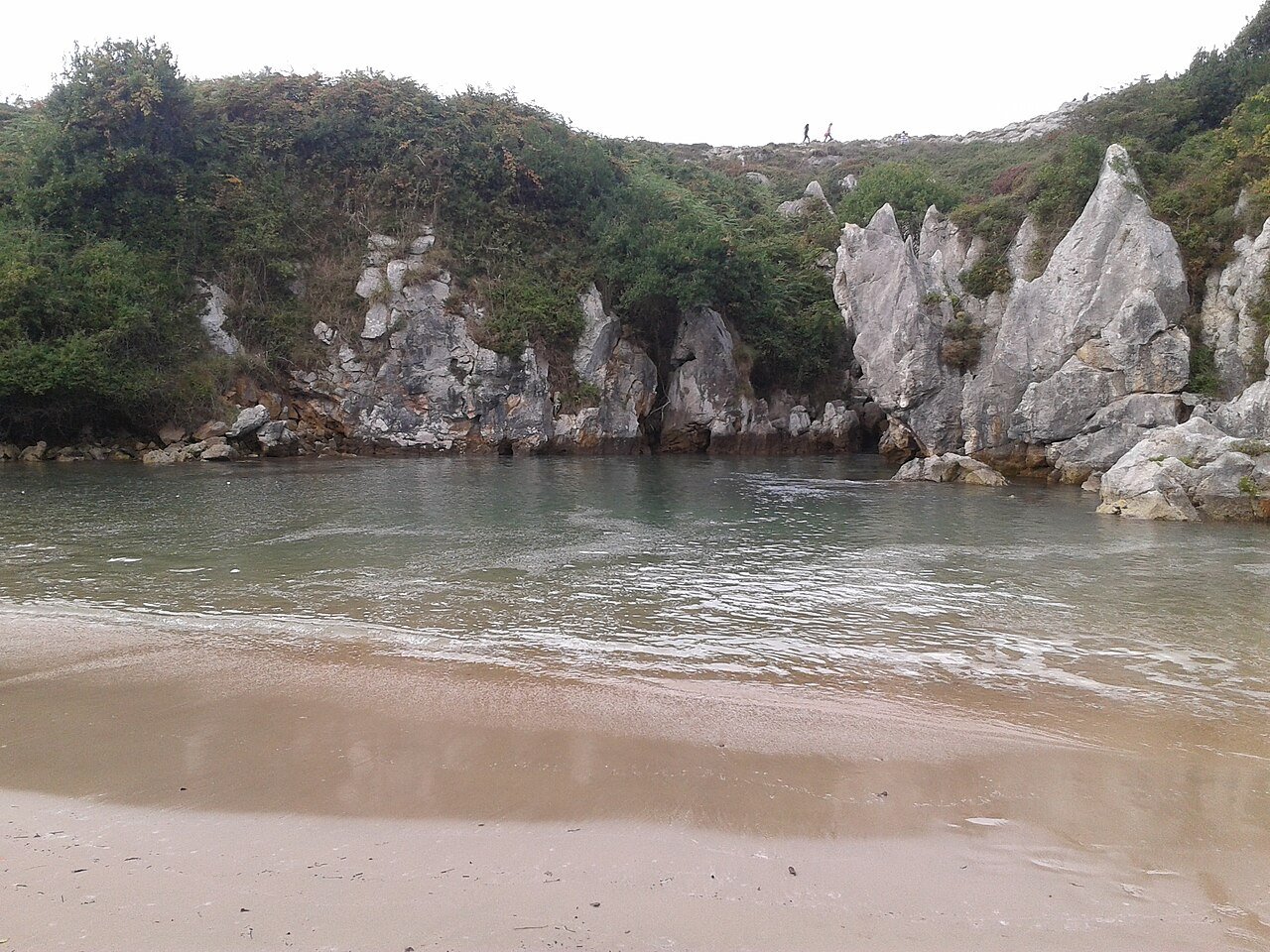
A beach in the middle of a meadow, around 100 metres from the sea: at high tide, water pushes through underground rock channels and fills the little hollow – complete with real waves. Gulpiyuri lies near Llanes and is protected as a natural monument.
It is at its best at high tide. From the car park it is about a ten-minute walk along farm tracks. Combine your visit with the cliffs and fishing villages of Asturias.
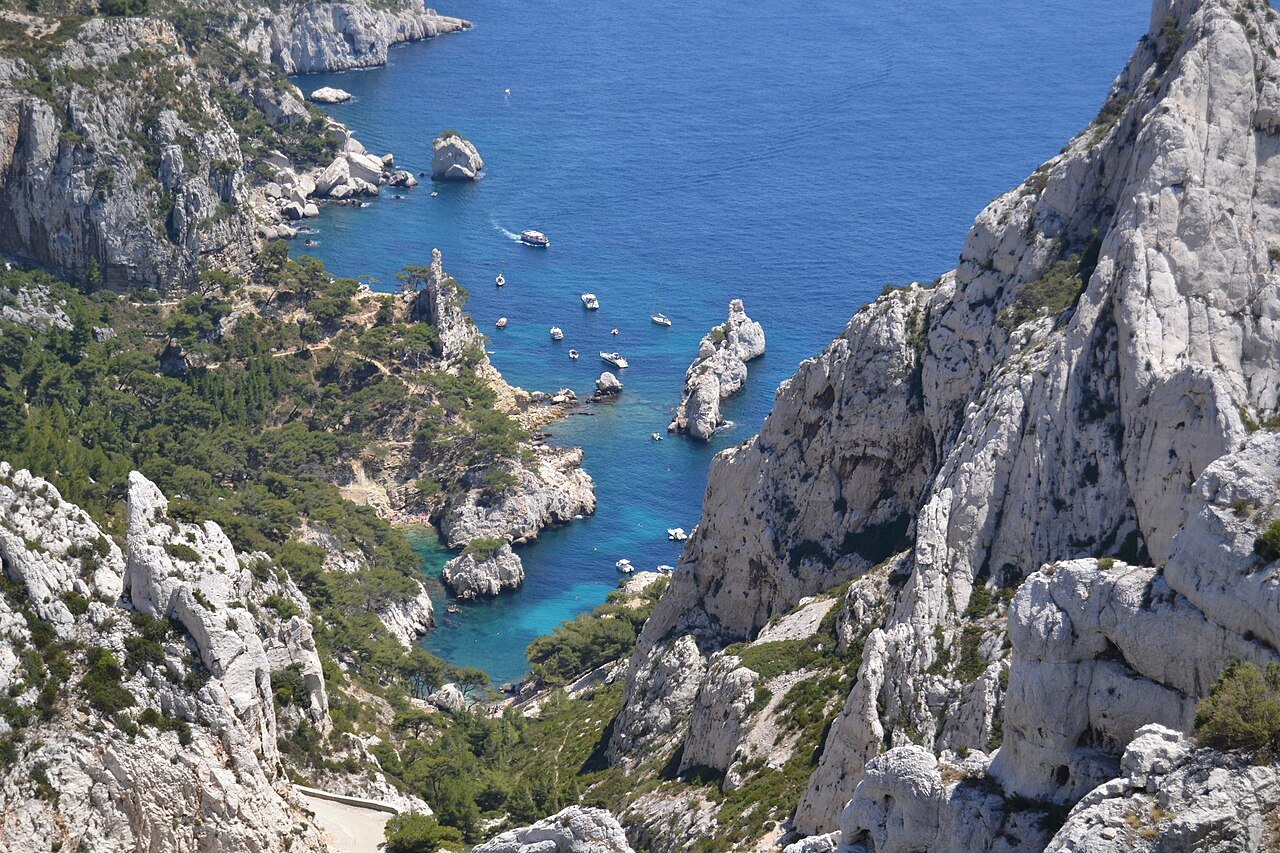
4. Calanque de Sugiton (near Marseille, France)
White limestone, pine trees and crystal-clear water: the calanques between Marseille and Cassis are part of a national park. You hike to the Calanque de Sugiton in about an hour from the Luminy campus. In high summer, Sugiton requires a free online reservation – plan ahead.
The easier way is by boat from Marseille’s Old Port: tours pass several calanques, often with a swimming stop.
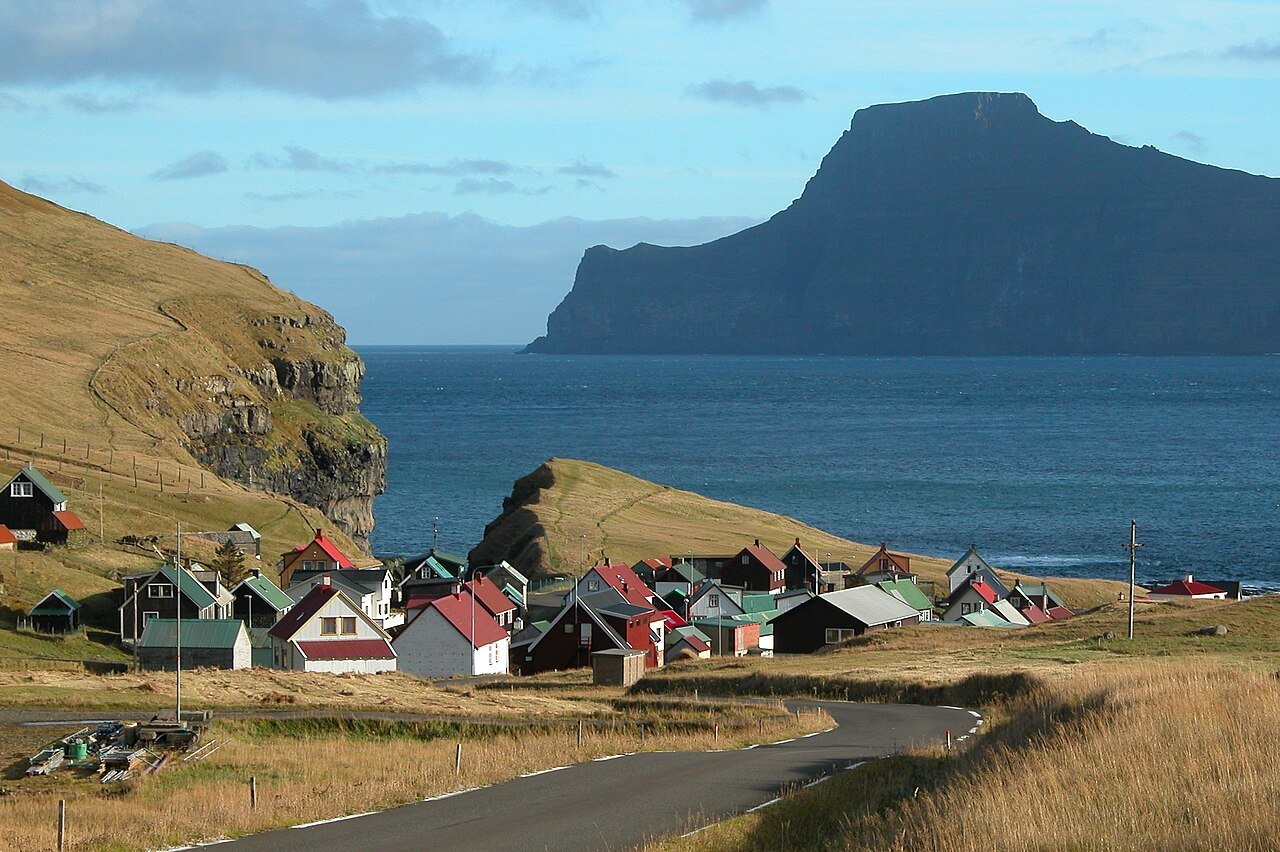
5. Gjógv (Faroe Islands)
Not a sandy beach, but one of the most dramatic seaside spots in Europe: in the village of Gjógv on Eysturoy, a narrow 200-metre gorge runs straight into the sea – a natural harbour lined with grass-roofed houses.
Hike from the village up onto the cliffs, where puffins nest in summer. You can reach the Faroes from Copenhagen, Edinburgh and, in summer, from several other cities.
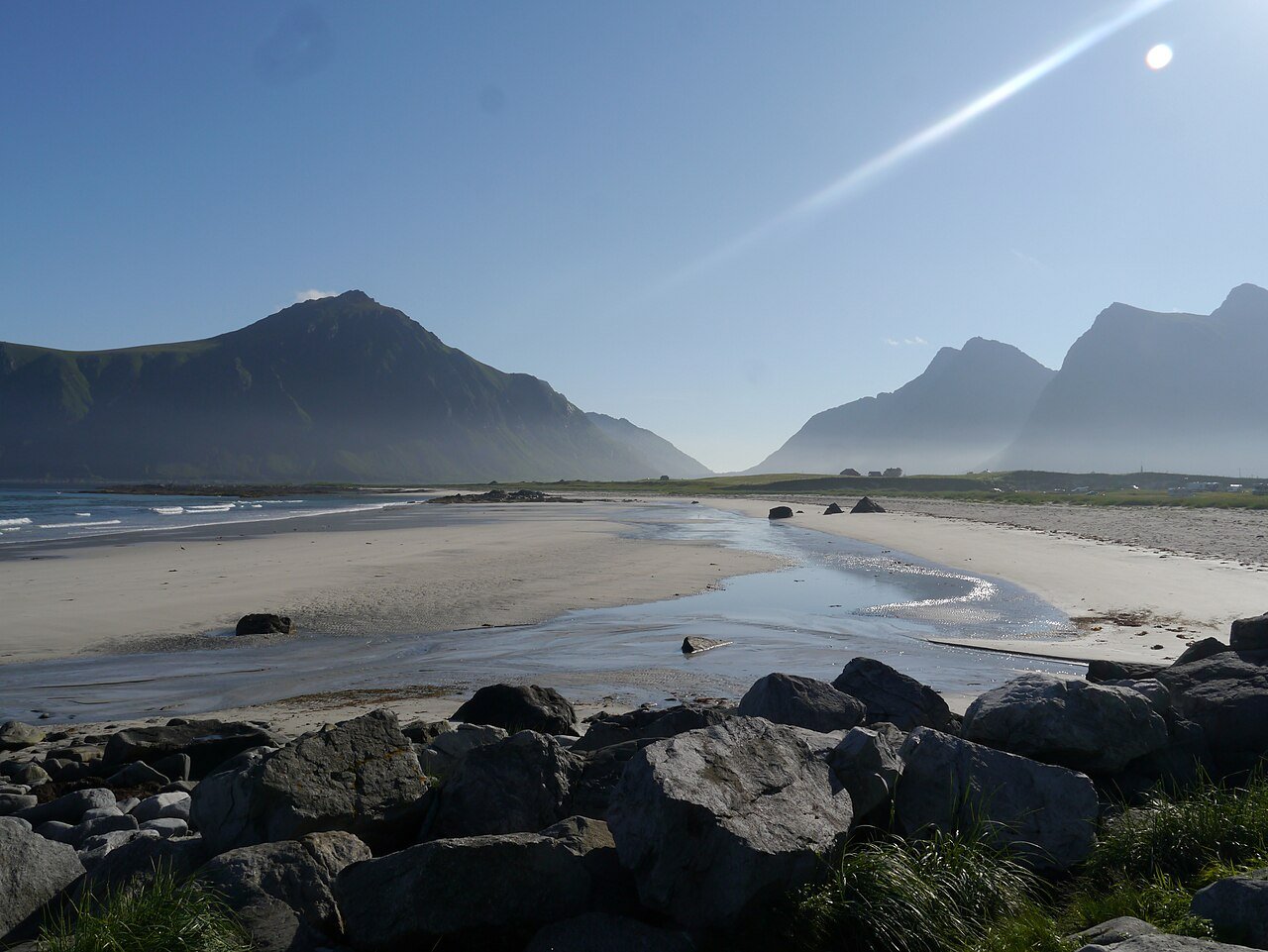
6. Flakstad Beach (Lofoten, Norway)
White sand, turquoise water and steep mountains behind: the beaches of Lofoten look Caribbean – only with water around 13°C. Flakstad Beach and neighbouring Skagsanden attract surfers and photographers, and in winter northern lights hunters too.
With a rental car you reach the beaches via the Lofoten road E10. The best time is June to August – when the sun never sets.
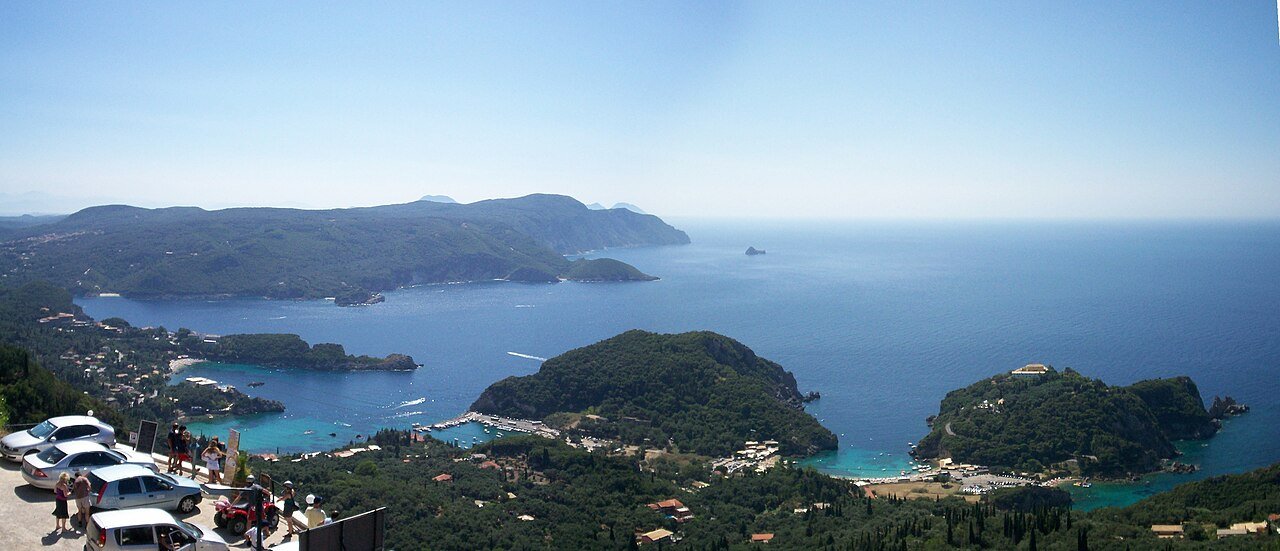
7. Paleokastritsa (Corfu, Greece)
On Corfu’s west coast, six small coves with emerald water line up beneath a 13th-century monastery. The main bay is popular – but you can reach the side coves by water taxi or on foot and often have them almost to yourself.
Tip: take a small boat to the sea caves, then watch the sunset from the Bella Vista viewpoint.
→ See Paleokastritsa excursion
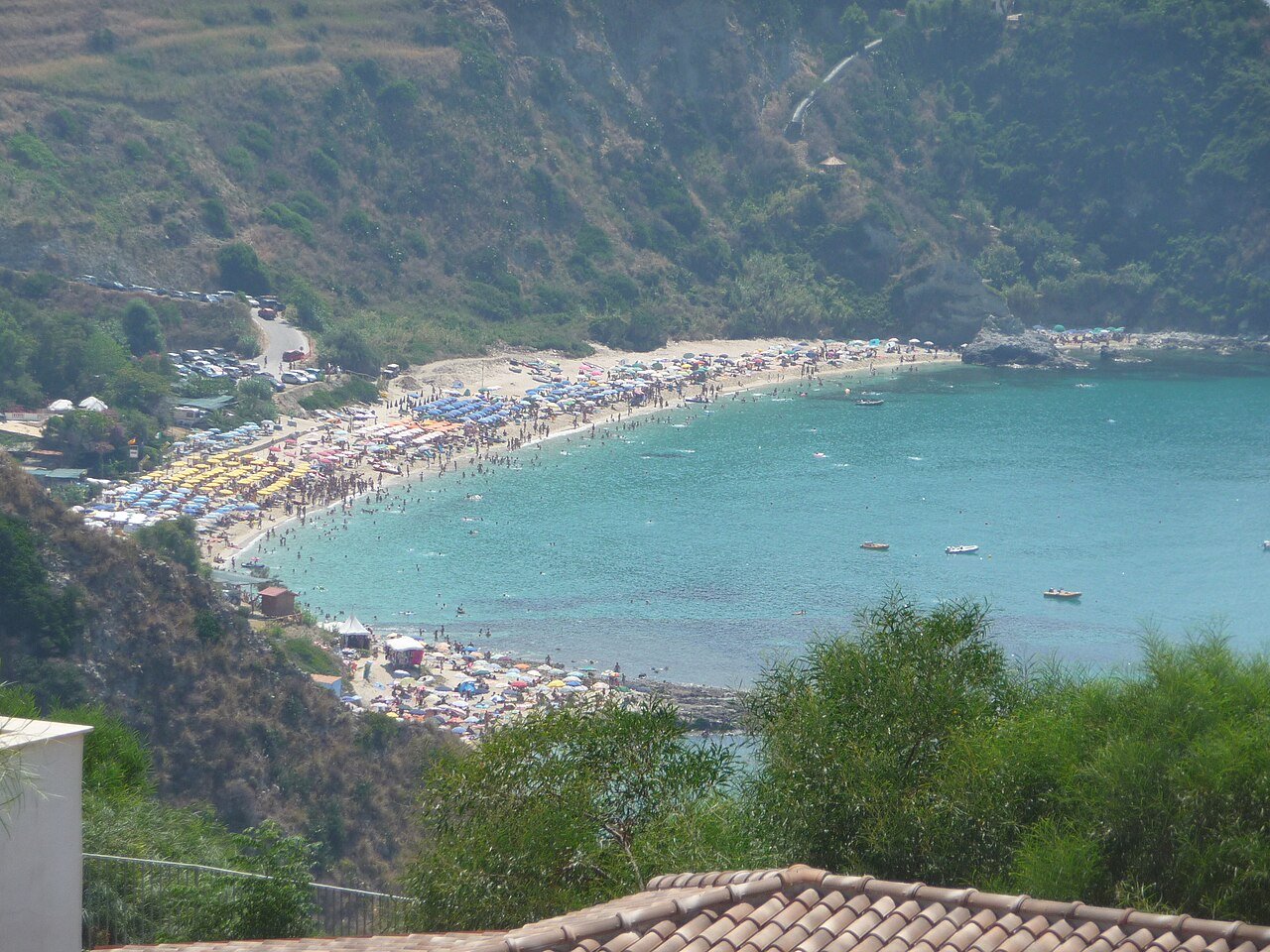
8. Grotticelle at Capo Vaticano (Calabria, Italy)
Calabria is Italy’s underrated southern coast – and Capo Vaticano near Tropea is its most beautiful stretch. The three coves of Grotticelle sit beneath granite rocks, with Caribbean-clear water that is still pleasantly quiet in early summer.
The coast is best explored by boat with snorkelling stops. Afterwards, spend an evening in Tropea’s old town, perched high above the sea.
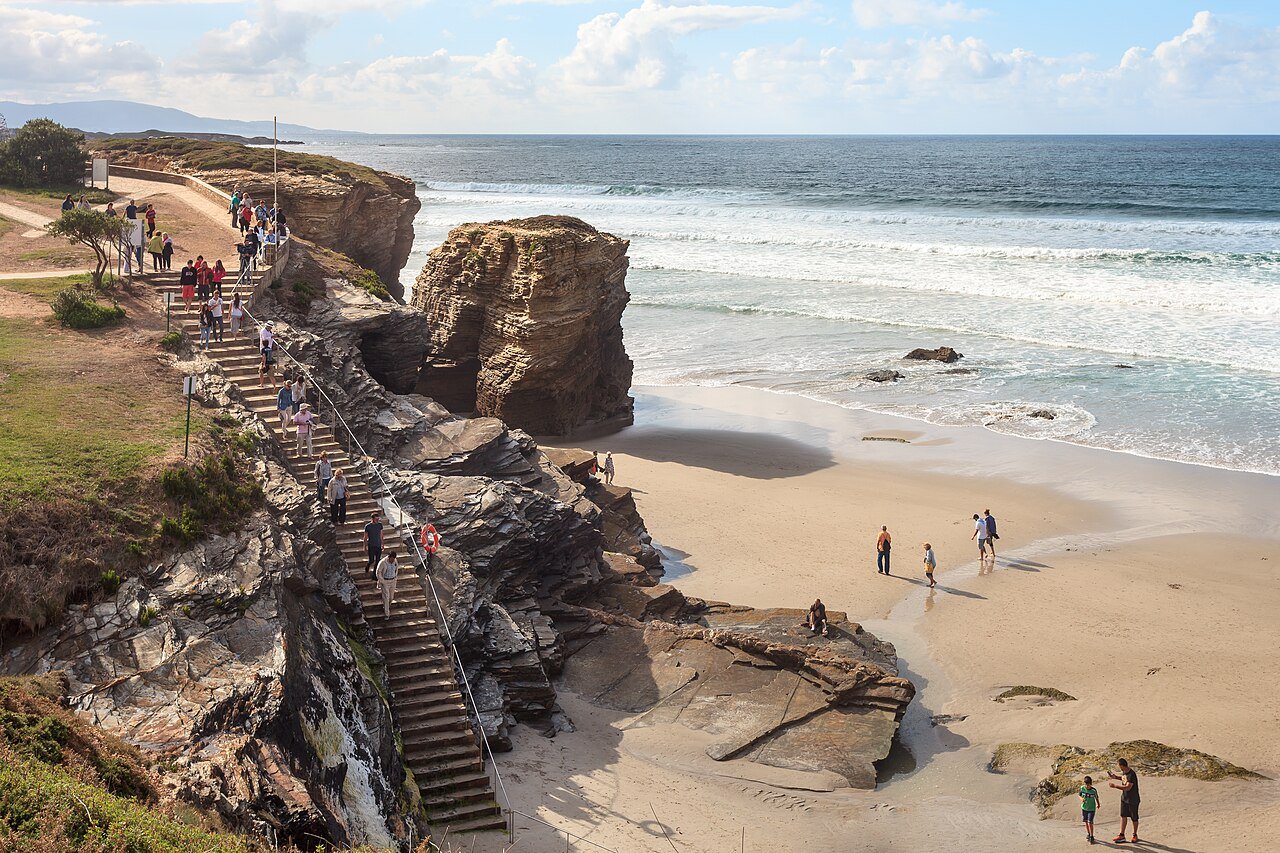
9. Cathedrals Beach – Praia das Catedrais (Galicia, Spain)
At low tide you walk beneath rock arches up to 30 metres high that look like Gothic cathedrals. The beach near Ribadeo is only accessible at low tide – check the tide tables! In peak season (Easter and July to September) you need a free online reservation.
Allow about two hours around low tide and come early in the morning, when the arches are almost empty.
→ See Cathedrals Beach excursion
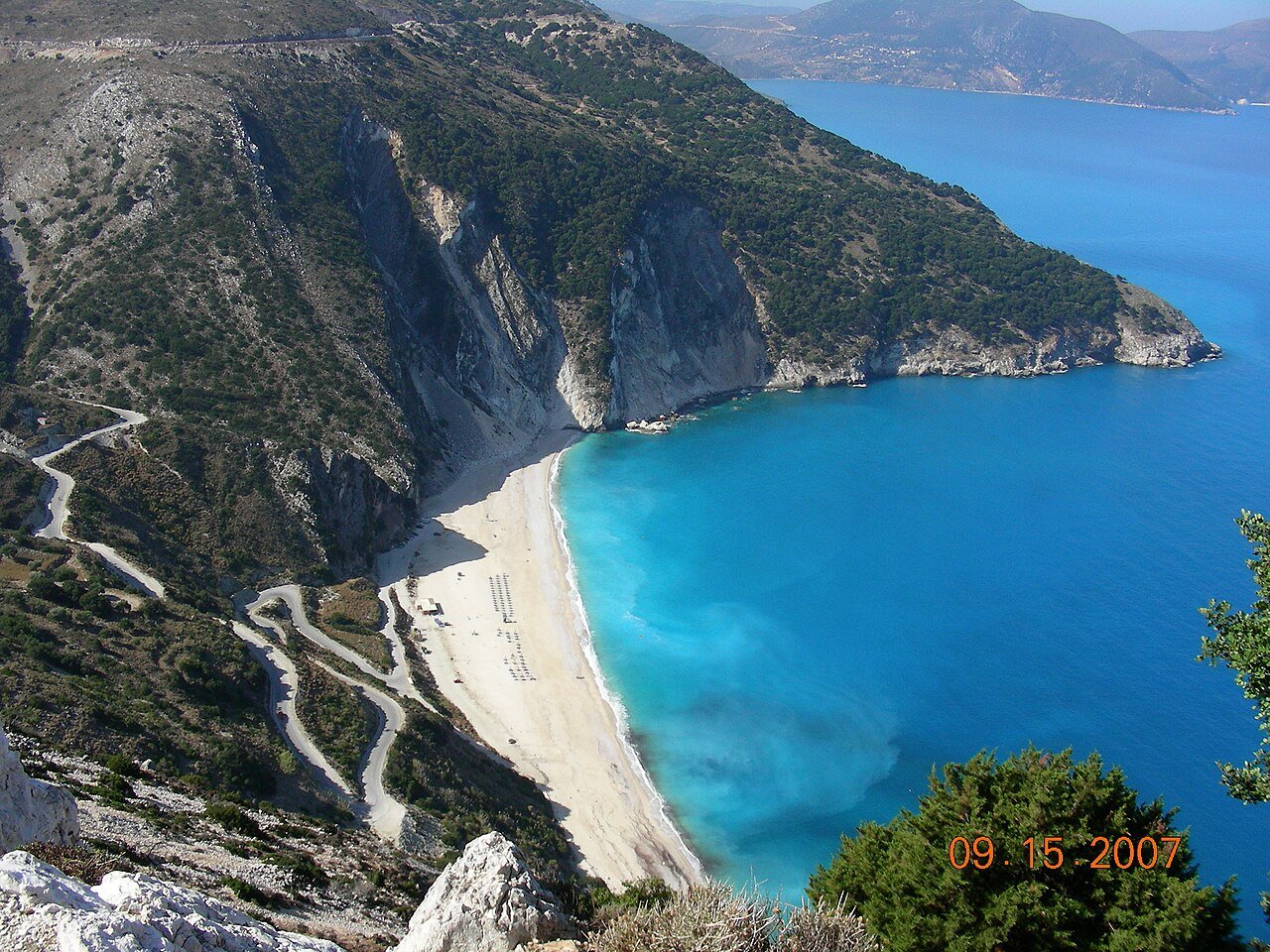
10. Myrtos (Kefalonia, Greece)
Brilliant white pebbles, steep cliffs and a blue that looks almost unreal: Myrtos is considered one of the most beautiful beaches in Greece. Even the drive down the hairpin road is spectacular – be sure to stop at the viewpoint above the beach.
Kefalonia is much quieter than Zakynthos or Santorini. Combine Myrtos with Melissani Cave and the fishing village of Fiskardo.
How to find your secret beach
Go early: before 10 am even well-known coves are often almost empty – and the light is at its best.
Use the shoulder season: May, June and September bring warm water and far fewer visitors.
Follow the rules: Benagil, Sugiton and Cathedrals Beach have access restrictions. Check shortly before you go.
Pack water shoes: many coves have pebbles or rocks – snorkelling is more relaxed with them.
Frequently asked questions
Which beach in Europe is the least crowded?
Gulpiyuri, Grotticelle and the beaches of Lofoten are comparatively quiet even in summer. Kefalonia is also far more relaxed than the better-known Greek islands.
Can you still swim in Benagil Cave?
No. Since 2024, swimming and landing in the cave are banned. You can see it on a boat tour or by kayak with a certified guide.
When is the best time for beaches in southern Europe?
June and September: the sea is warm, prices are lower and the beaches are emptier than in July and August.
* This article contains affiliate links. If you book through them, we earn a commission – at no extra cost to you. Rules and access may change, as of October 2026.