
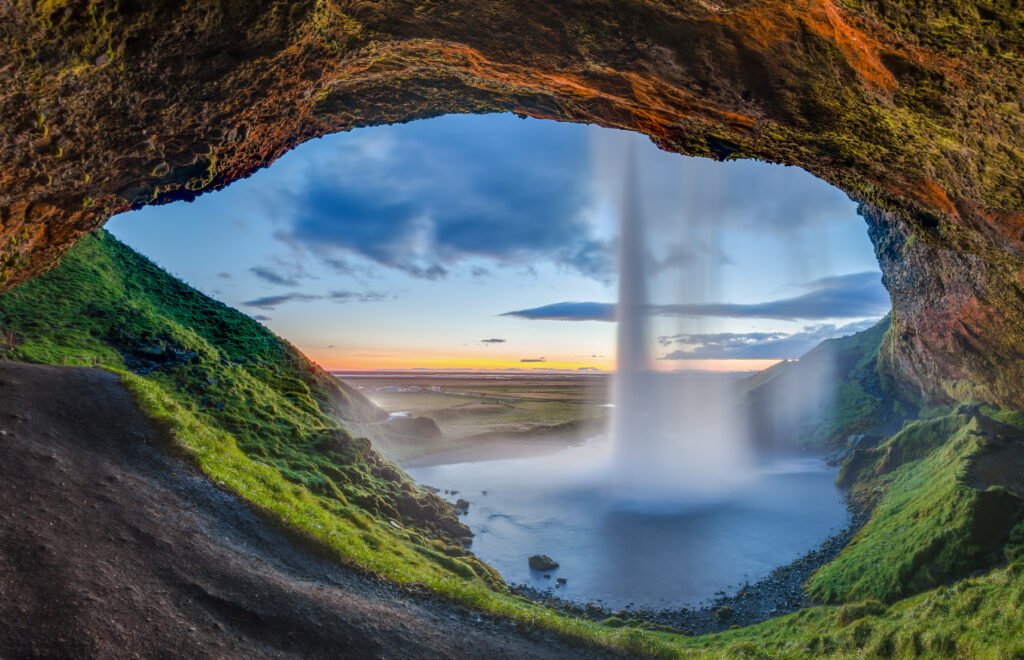
Waterfalls you can walk behind, black-sand beaches, icebergs drifting in a glacier lagoon and northern lights in the winter sky: Iceland feels like another planet – yet it is only around three and a half hours’ flight from central Europe.
This North Atlantic island is young, wild and constantly on the move: volcanoes, hot springs and glaciers often lie just a few kilometres apart. That makes Iceland one of Europe’s most exciting destinations – but also one that needs good planning. Weather, roads and prices follow their own rules here.
In this guide we show you the highlights from the Golden Circle to the glacier lagoon, explain when you can see the northern lights, and give honest tips on timing, car hire and costs.
1. The Golden Circle: Iceland in a day
The classic day trip from Reykjavík links three highlights. In Þingvellir National Park (a UNESCO World Heritage site) you walk through a rift between the North American and Eurasian tectonic plates – this is also where Iceland’s parliament, the Althing, met from around the year 930.
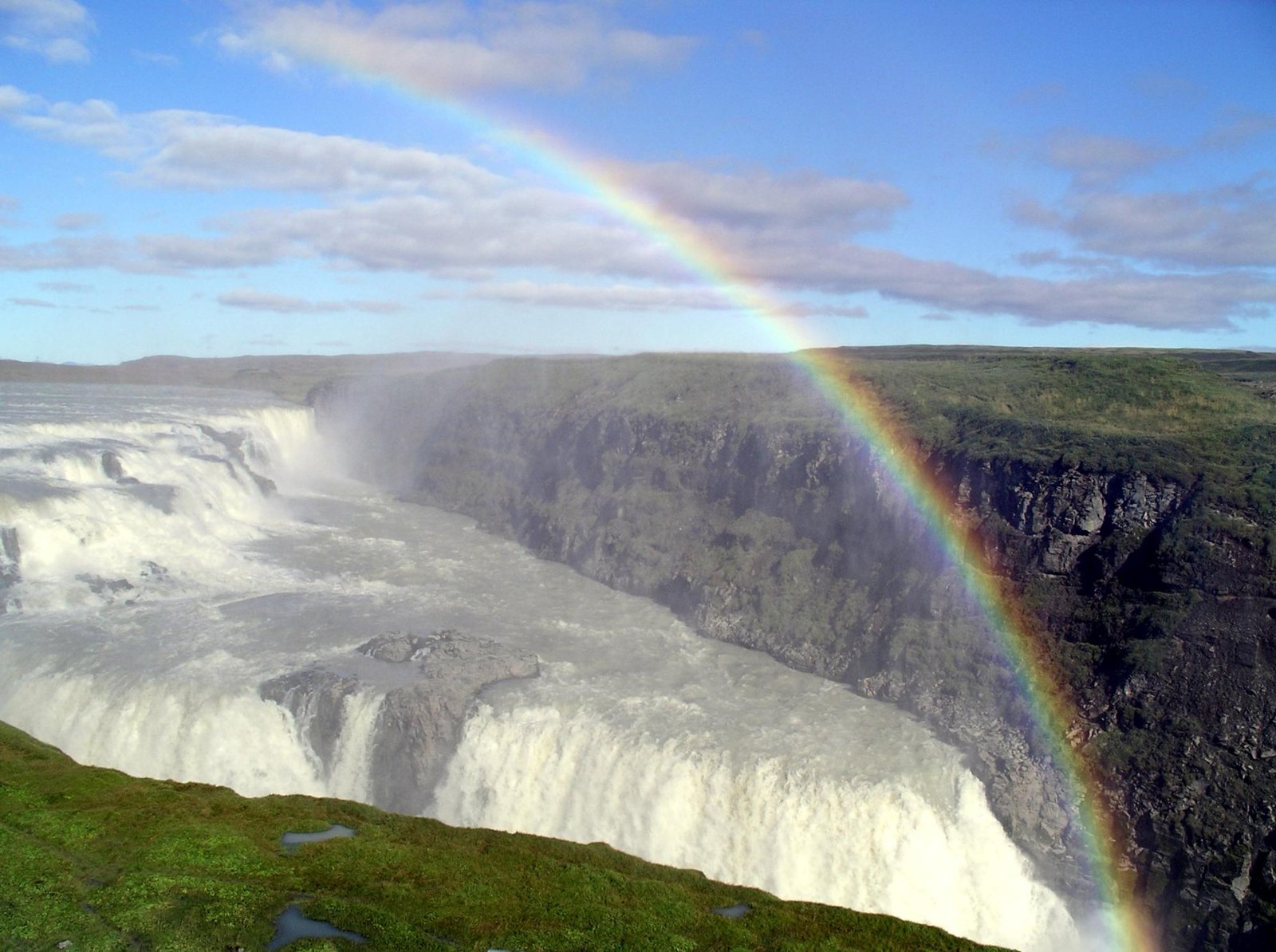
In the Haukadalur geothermal area the Strokkur geyser shoots a column of water into the air every few minutes – keep your camera ready. The finale is Gullfoss, the “Golden Waterfall”, plunging in two tiers into a deep canyon.
Tip: start early or do the loop towards evening and you will have the viewpoints almost to yourself.
2. The South Coast: one waterfall after another
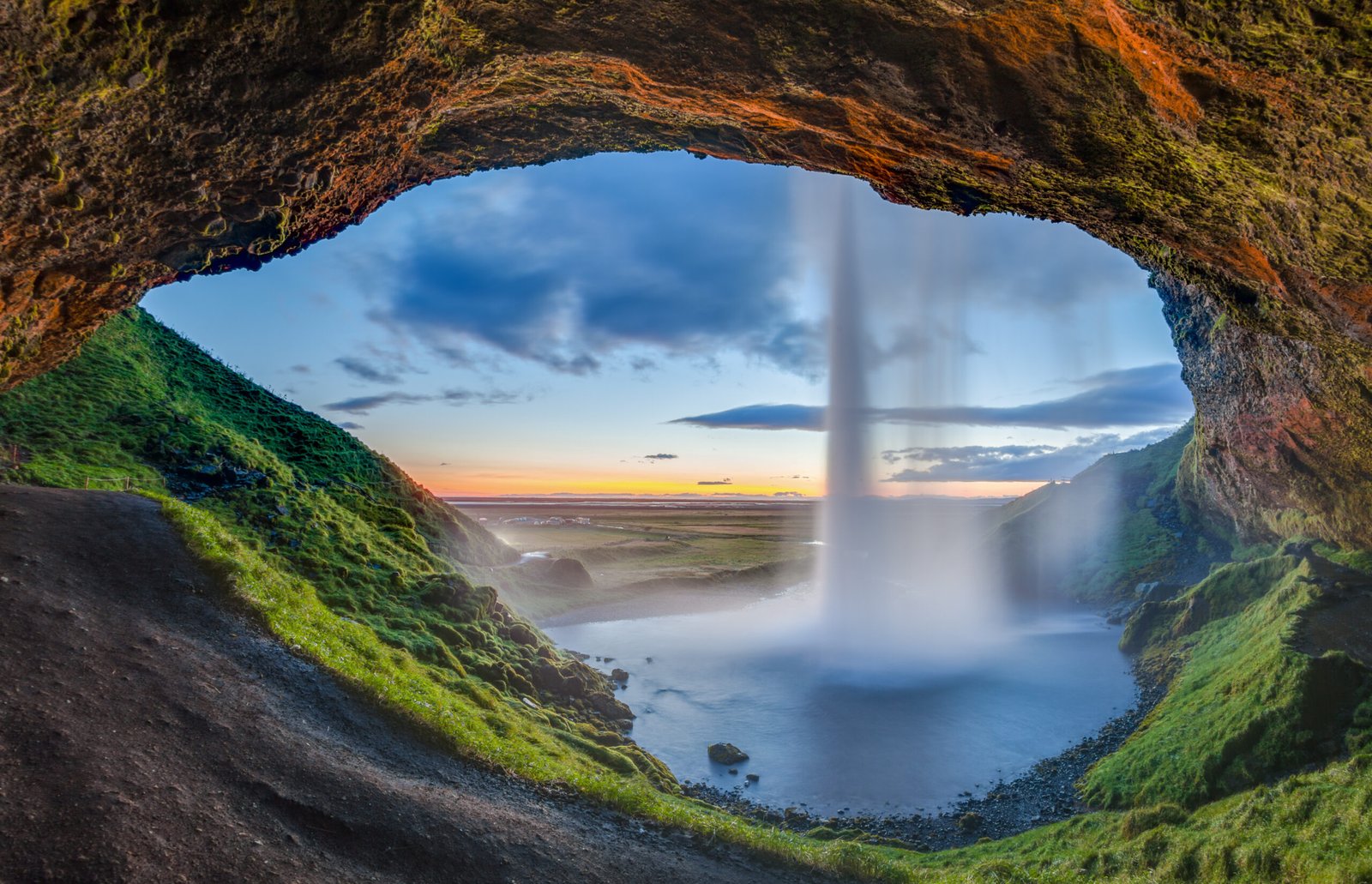
Along the Ring Road the South Coast lines up postcard views. At Seljalandsfoss a path leads behind the curtain of water – bring a rain jacket. Just a few minutes away, Gljúfrabúi hides inside a rocky gorge.
About half an hour further on, Skógafoss thunders over an edge of around 60 metres. A staircase leads to the top, where the trail over the Fimmvörðuháls pass begins – one of the finest day hikes in the country.

3. Reynisfjara and Vík: the black beach
Jet-black sand, giant basalt columns and the Reynisdrangar sea stacks: Reynisfjara near Vík is one of the most spectacular beaches in the world.
Important: Reynisfjara is also one of Iceland’s most dangerous beaches. So-called sneaker waves surge unexpectedly far up the sand and have swept people into the sea. Always keep a wide distance from the water, never turn your back on the ocean and follow the warning light system at the entrance.
4. Jökulsárlón and Diamond Beach
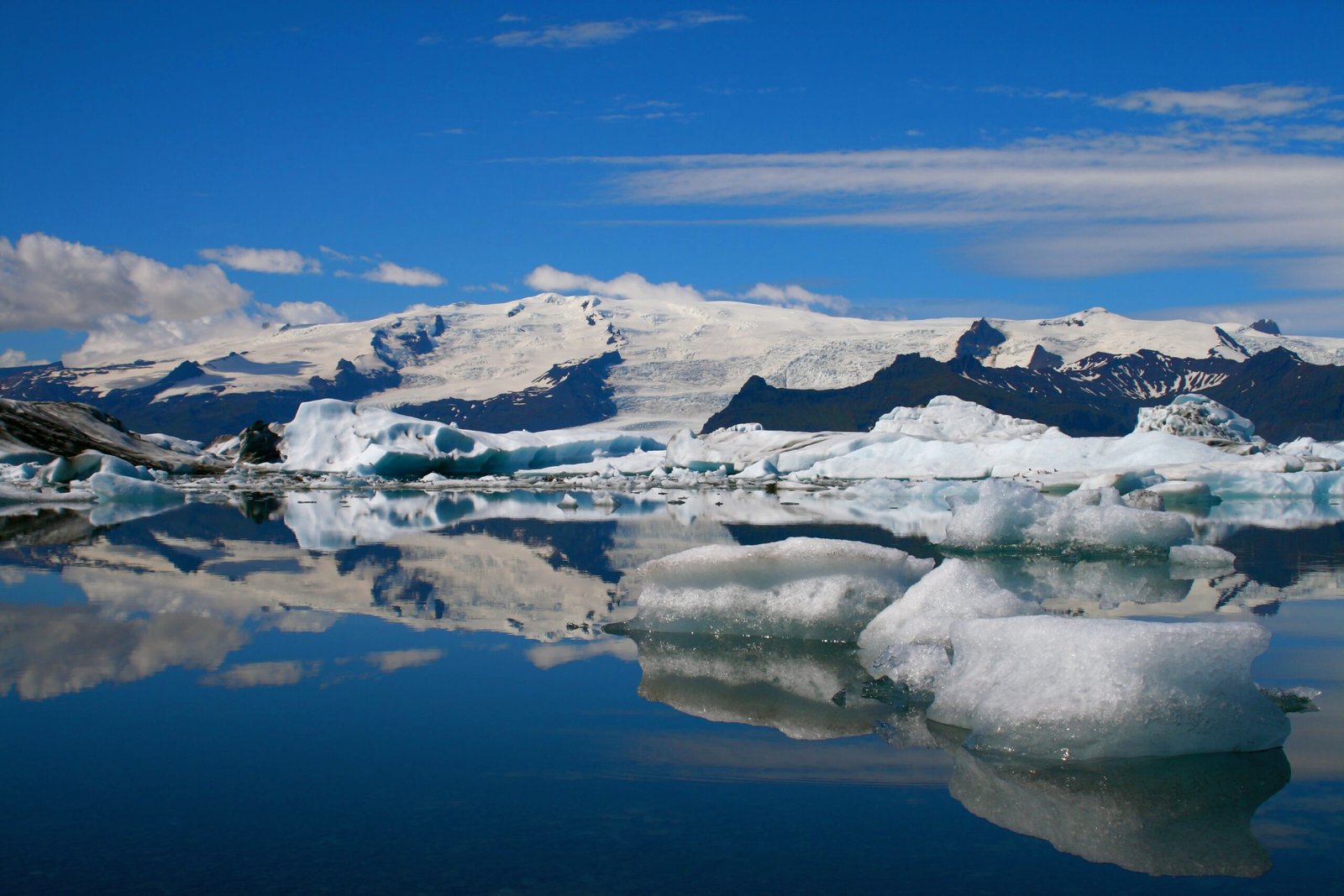
In the southeast, the Breiðamerkurjökull glacier – an outlet of the mighty Vatnajökull – calves into a lagoon. Blue icebergs drift slowly towards the sea, often with seals resting on the floes. An amphibious boat or Zodiac takes you up close.
Across the road, the sea washes chunks of ice onto the black Diamond Beach, where they glitter like jewels in the sand. Jökulsárlón is a long way from the Golden Circle, though – plan at least one night on the South Coast.
→ See glacier lagoon boat tours
5. Ice caves and glacier hikes
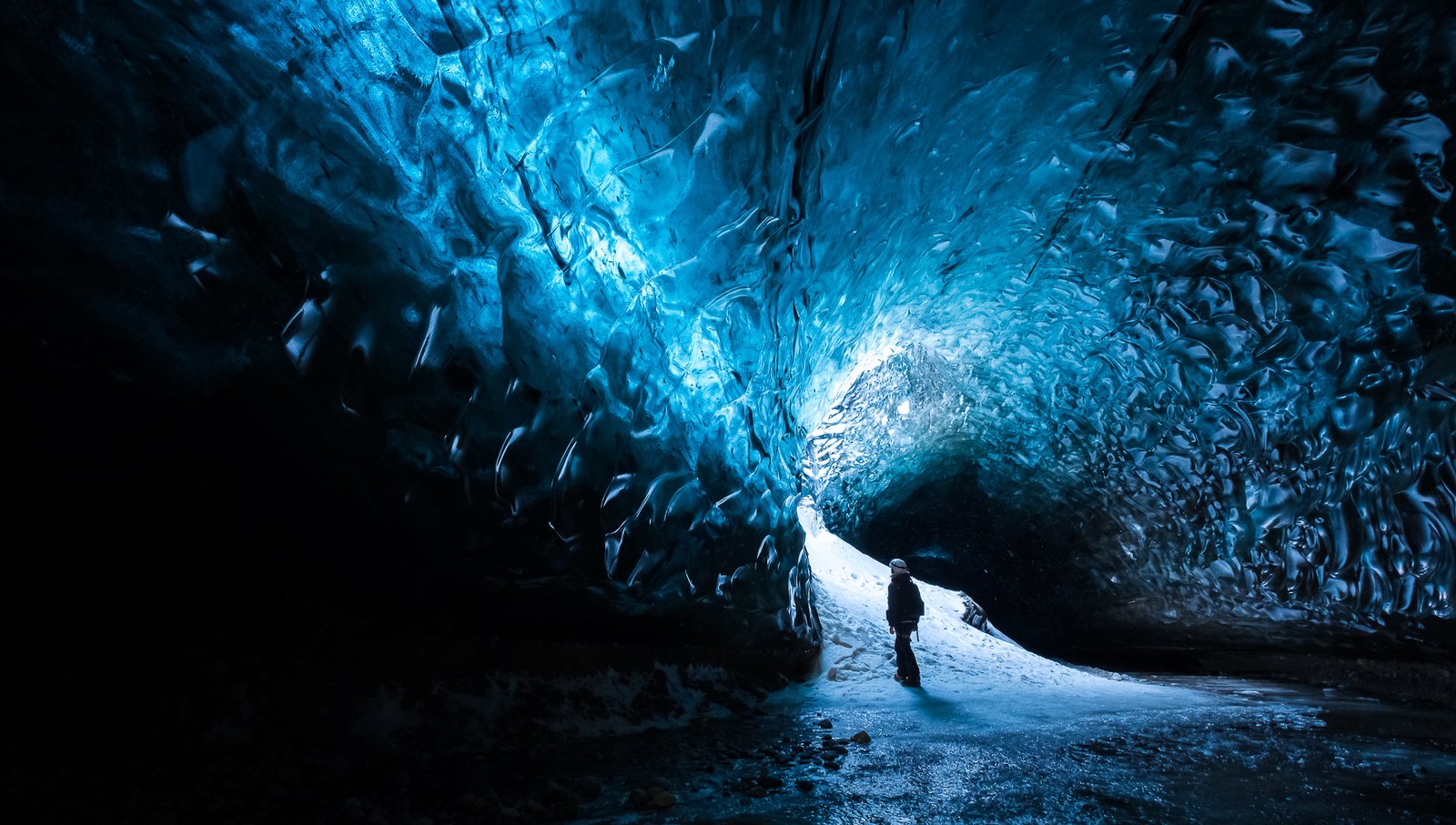
In winter, roughly from November to March, natural ice caves of unreal blue form inside Vatnajökull. They change every year and may only be entered with certified glacier guides, who also provide crampons and helmets.
Glacier hikes, by contrast, are possible almost all year – for example on Sólheimajökull on the South Coast or in the Skaftafell area. Never walk onto the ice alone: crevasses are often invisible.
6. Northern lights: when and where
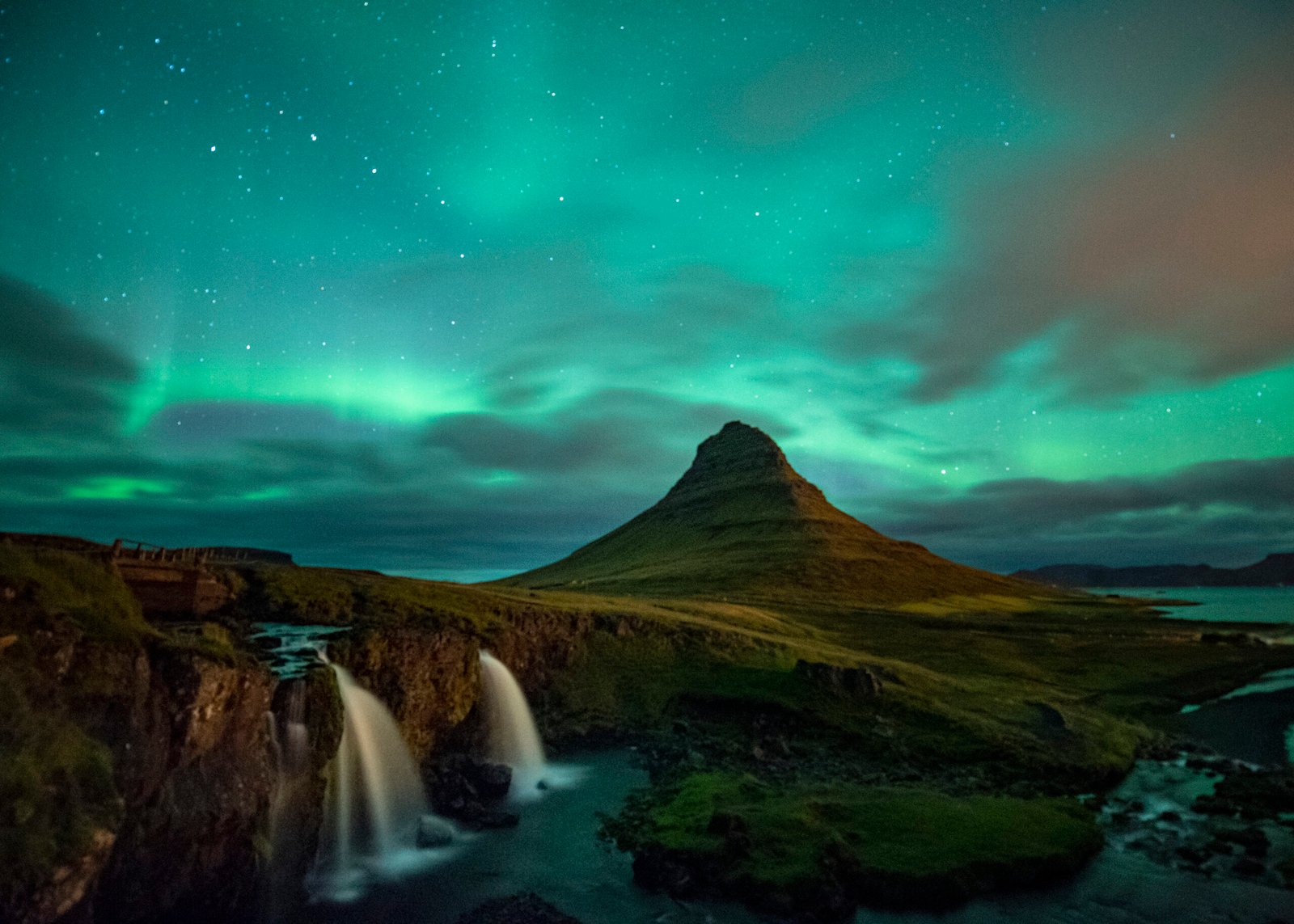
You can see the aurora in Iceland roughly from September to April, when nights are properly dark. You need three things: darkness, clear skies and some solar activity. The Icelandic Met Office publishes a cloud cover and aurora forecast.
Your chances are best away from city lights. One of the most famous backdrops is Kirkjufell mountain on the Snæfellsnes peninsula. Without a car, book a northern lights tour from Reykjavík – many operators offer a free second attempt if you miss out.
7. Hot springs: the Blue Lagoon and alternatives
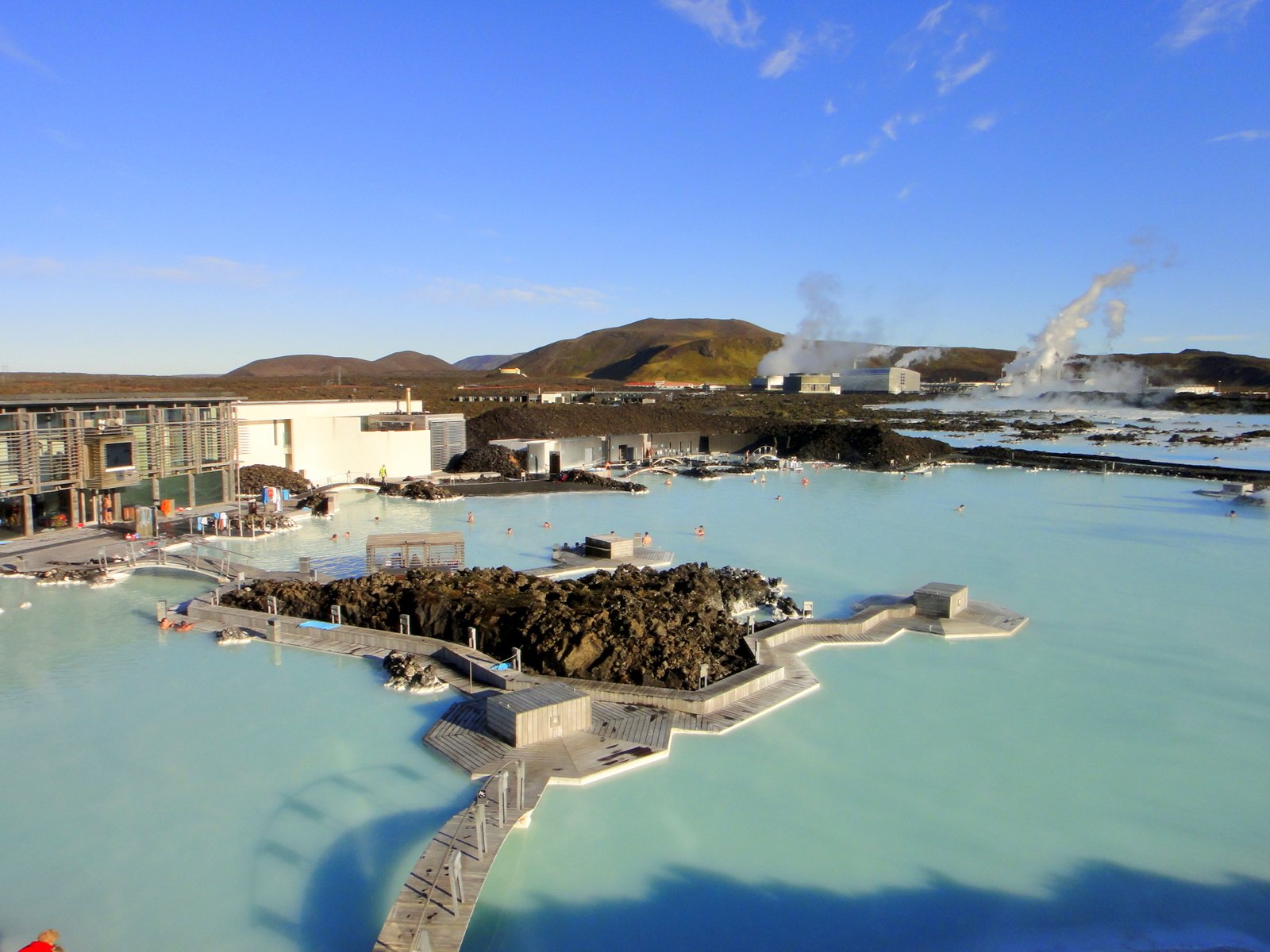
The milky-blue water of the Blue Lagoon is one of Iceland’s best-known images. It lies on the Reykjanes peninsula near the airport – ideal on your arrival or departure day. Always book your entry in advance.
Important: since 2023 Reykjanes has seen repeated volcanic activity that has led to temporary closures. Check the current status before you go. Great alternatives are the Sky Lagoon in Reykjavík with its ocean view, or smaller natural hot springs in the highlands.
Best time to visit Iceland
Summer (June to August): midnight sun, mild temperatures around 10–15°C, and all roads including highland tracks are open. The best time for road trips – but also the most expensive.
Winter (November to March): northern lights and ice caves, but short days, storms and icy roads. Demanding for self-drivers.
Shoulder season (September/October, April/May): often the best compromise – first auroras, fewer tourists, lower prices.
Getting around: car hire and the Ring Road
The Ring Road (Route 1) circles the island over roughly 1,300 kilometres. Allow at least seven to ten days for the full loop. Highland tracks (F-roads) are only open in summer and only allowed with a 4×4.
Before every drive, check road.is (road conditions) and safetravel.is (warnings). If you prefer not to drive, day tours from Reykjavík cover the highlights well.
How much does Iceland cost?
Iceland is one of the most expensive countries in Europe. Accommodation, restaurants and car hire cost significantly more than in central Europe. Money-saving tips: book accommodation early, shop at supermarkets, drink tap water (it is excellent) and travel in shoulder season.
Frequently asked questions
How many days do I need for Iceland?
For Reykjavík, the Golden Circle and the South Coast, 4–5 days are enough. For the full Ring Road, at least 7–10 days.
Do I need a 4×4?
Not necessarily on the Ring Road in summer. For highland F-roads a 4×4 is mandatory, and in winter it is strongly recommended.
Can I pay by card?
Yes – almost everything in Iceland is paid by card; you will hardly need cash.
* This article contains affiliate links. If you book through them, we earn a commission – at no extra cost to you.