
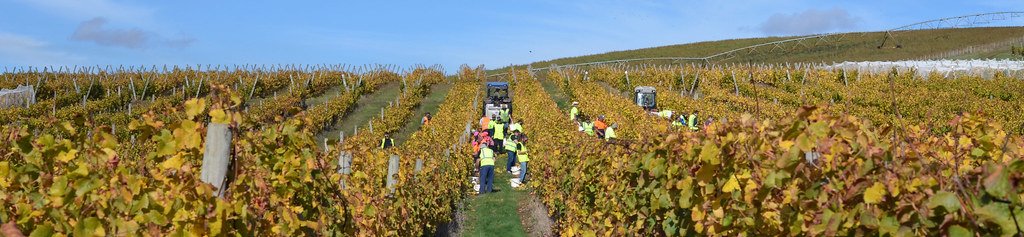
Bulgaria is one of the world’s oldest wine regions – the Thracians pressed grapes here thousands of years ago. That the country still flies under the culinary radar is a stroke of luck for anyone who wants to arrive before the crowds.
Plovdiv: Indulgence in Europe’s oldest city
Plovdiv is older than Rome and Athens – and Bulgaria’s culinary capital. In the artists’ quarter Kapana, wine bars, craft beer spots and modern Bulgarian cuisine line the streets. Mandatory: a food tour through the old town, then sunset at the Roman theatre. The Thracian wineries around Brestovitsa are Bulgaria’s answer to Tuscany.
Melnik: Wine among sand pyramids
Bulgaria’s smallest town lies spectacularly between bizarre sandstone formations. The local grape Shiroka Melnishka Loza grows only here – tastings sometimes take place in centuries-old rock cellars. Combine Melnik with the nearby Rozhen Monastery.
Dishes you must try
Shopska salad (tomatoes, cucumbers, sheep’s cheese), banitsa (filo pastry with cheese), kavarma (clay-pot stew), tarator (cold yoghurt-cucumber soup) – and rakia, the fruit brandy served with salad. Bulgarian yoghurt is world class: Lactobacillus bulgaricus carries the country in its name.
Rose harvest in the Rose Valley (May–June)
Bulgaria produces much of the world’s rose oil. At harvest time near Kazanlak you can pick at dawn, visit distilleries and experience the Rose Festival.
FAQ
Is Bulgarian wine actually good? Boutique wineries regularly win international awards – from €8–10 per bottle at the estate.
When is the Rose Festival? Every year in early June around Kazanlak.
* This article will contain affiliate links.